
Do More Than Talk
Gigabit vs Gigabyte Explained: Key Differences in Speed and Storage
In today’s digital world, internet users often come across terms like gigabit and gigabyte. Although they sound similar, they refer to entirely different measurements. Understanding the difference between these two is crucial, especially when evaluating broadband speeds, data storage, or digital downloads.
At its core, a gigabit (Gb) measures data transfer speed, while a gigabyte (GB) measures data storage. One gigabyte is equal to eight gigabits, meaning storage capacity is measured on a much larger scale compared to speed.
What Is a Gigabit?
A gigabit is a unit of digital information that equals one billion bits. It is commonly used to describe internet connection speeds or bandwidth. Internet providers often advertise broadband speeds in megabits per second (Mbps) or gigabits per second (Gbps).
For example, if your provider offers 1 Gbps fibre broadband, it means your connection can transfer up to one gigabit of data every second. This impacts how quickly you can stream, download, or upload files. In other words, gigabits measure rate how fast data moves from one point to another.
To learn more about choosing the right internet provider, see how a reliable WiFi provider in Northern Ireland supports everyday digital needs.
What Is a Gigabyte?
A gigabyte, by contrast, measures the amount of data stored on a device. One gigabyte equals 8 gigabits, or around 1,000 megabytes (MB). Storage devices such as hard drives, SSDs, and smartphones use gigabytes (GB) or terabytes (TB) to indicate their capacity.
For example, if a film download is 2 GB in size, it requires storage space of two gigabytes on your device. Similarly, a phone with 128 GB capacity can hold significantly more apps, photos, and files than one with only 32 GB.

Gigabit vs Gigabyte: Key Differences
Aspect | Gigabit (Gb) | Gigabyte (GB) |
Definition | 1 billion bits | 8 billion bits |
Used For | Internet speed, data transfer rate | Storage, file size, memory |
Common Units | Mbps, Gbps | MB, GB, TB |
Analogy | Tracks how fast data moves | Tracks how much data you have |
The most important takeaway is simple: gigabits measure speed, gigabytes measure storage
Why Does the Difference Matter?
Understanding these terms prevents confusion when comparing internet services or evaluating devices. For instance:
Broadband speeds are usually expressed in megabits or gigabits per second, not gigabytes. So a 100 Mbps connection is not the same as 100 MBps (megabytes per second).
File sizes and storage are always shown in bytes. A 10 GB game will take up 10 gigabytes of space, regardless of your internet speed.
Download times depend on both: file size in gigabytes and your internet speed in gigabits.
For example, downloading a 4 GB film on a 1 Gbps connection could take less than a minute, while on a slower line it may take much longer.
Real-World Examples
Streaming Video: Netflix recommends 25 Mbps (megabits per second) for 4K streaming. That measures speed, not how much data is consumed.
Cloud Storage: Services like Google Drive or iCloud use gigabytes to indicate storage allowance. A 15 GB plan refers to how much you can store, not how fast you can upload.
Gaming: Downloading a 50 GB game on a 500 Mbps connection shows both measurements in play gigabytes for the game size, megabits for the download speed.

Avoiding Common Confusion
It’s easy to confuse the two because their abbreviations are similar:
Gb (lowercase b) = gigabit
GB (uppercase B) = gigabyte
Remembering that a capital “B” means bytes and a lowercase “b” means bits can help avoid mistakes.
For businesses, especially those relying on digital services, making this distinction ensures accurate decisions when selecting broadband packages or cloud storage options. Businesses looking for dependable connectivity can also explore trusted broadband suppliers in Northern Ireland who provide clear guidance on speeds and capacities.
Gigabit in the IoT Era
As the Internet of Things (IoT) expands, the importance of gigabit connectivity grows. IoT devices depend on fast, reliable connections to transfer real-time data across networks. High bandwidth ensures that sensors, smart appliances, and industrial IoT systems can communicate without delay.
For organisations seeking tailored solutions, a reliable IoT supplier in Northern Ireland provides the infrastructure to support everything from smart homes to enterprise-level deployments.
Real-World Examples
Streaming Video: Netflix recommends 25 Mbps (megabits per second) for 4K streaming. That measures speed, not how much data is consumed.
Cloud Storage: Services like Google Drive or iCloud use gigabytes to indicate storage allowance. A 15 GB plan refers to how much you can store, not how fast you can upload.
Gaming: Downloading a 50 GB game on a 500 Mbps connection shows both measurements in play gigabytes for the game size, megabits for the download speed.
While the terms gigabit and gigabyte are often used interchangeably in casual conversations, they represent completely different aspects of digital technology. A gigabit measures speed, while a gigabyte measures storage, and understanding this distinction is vital when evaluating internet performance, storage capacity, or download times.
From streaming and gaming to IoT systems and cloud storage, these measurements shape how we experience the digital world. By grasping their differences, consumers and businesses can make informed decisions when choosing connectivity or storage solutions.
For expert advice and support on broadband, WiFi, and IoT services, visit SmoothComms today.
See it in Action
Sharings Caring
-
 Telecom Collaboration in Japan Improves Disaster Evacuation Support
 -
 IMEI Guide: Understanding Your Phone’s Identity and Security
 -
 The Evolution of Phone Networks: From 1G to 6G and Beyond
 -
 London Area Code Explained: How to Dial 020 Numbers in the UK and Abroad
 -
Gigabit vs Gigabyte Explained: Key Differences in Speed & Storage
-
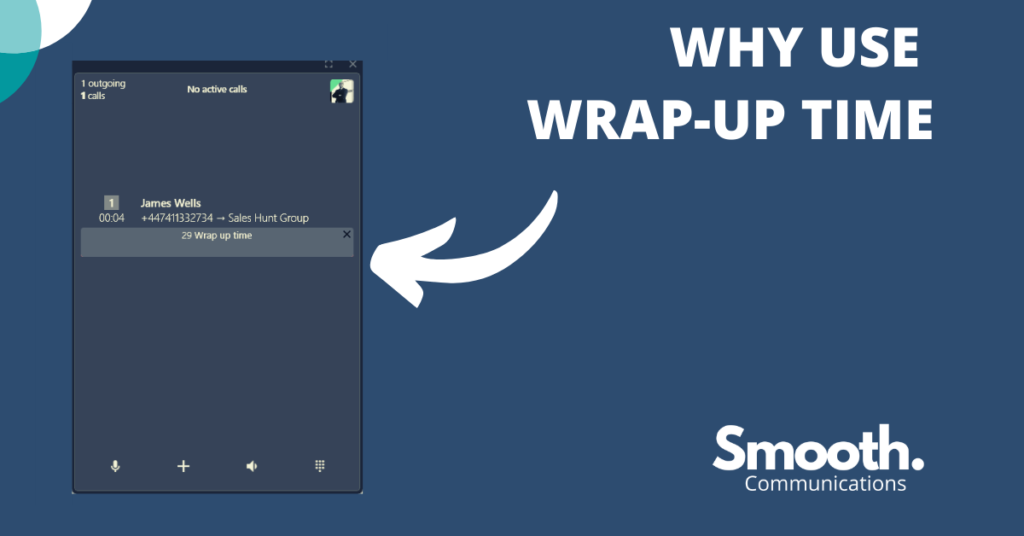 Using our “Wrap-Up Time” feature to boost your teams After-Call Work
 -
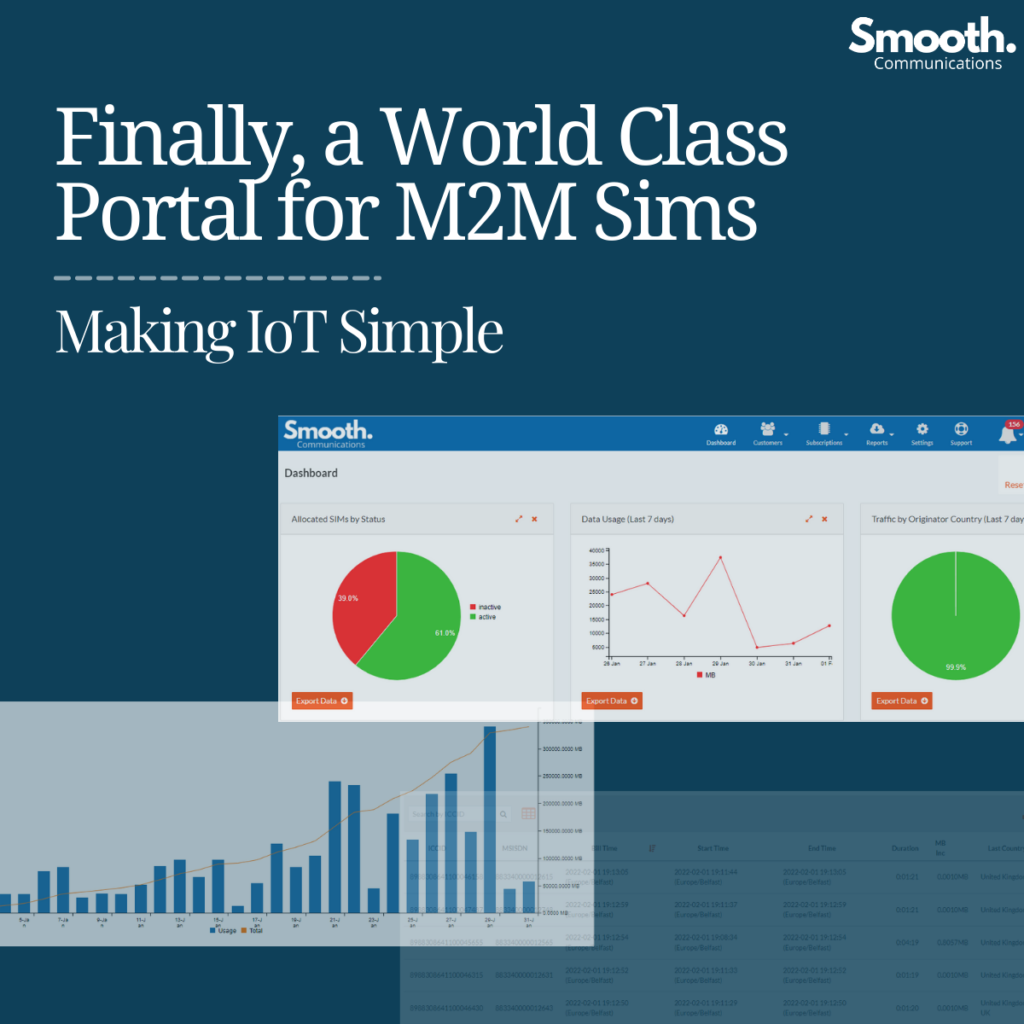 M2M Portal - Making IoT Smooth
 -
 M2M SIMs vs Mobile SIMs
 -
 How to unlock your CRM’s true potential via integrations
 -
 Sales Struggling? Take a Closer look at your Customer Experience

There are many reasons to choose Smooth Comms. Above all, we truly care about the right solutions for our customers, because every single customer matters.
Contact
- A: Inspire Business Centre, BT16 1QT
- T: 07411332734
- E: hello@smoothcomms.com
Quick Links
- Landline
- Mobile
- IoT
- Broadband
- Wifi
- Contact